







Bridging the Skills Gap in Manufacturing and Logistics
October 6, 2025
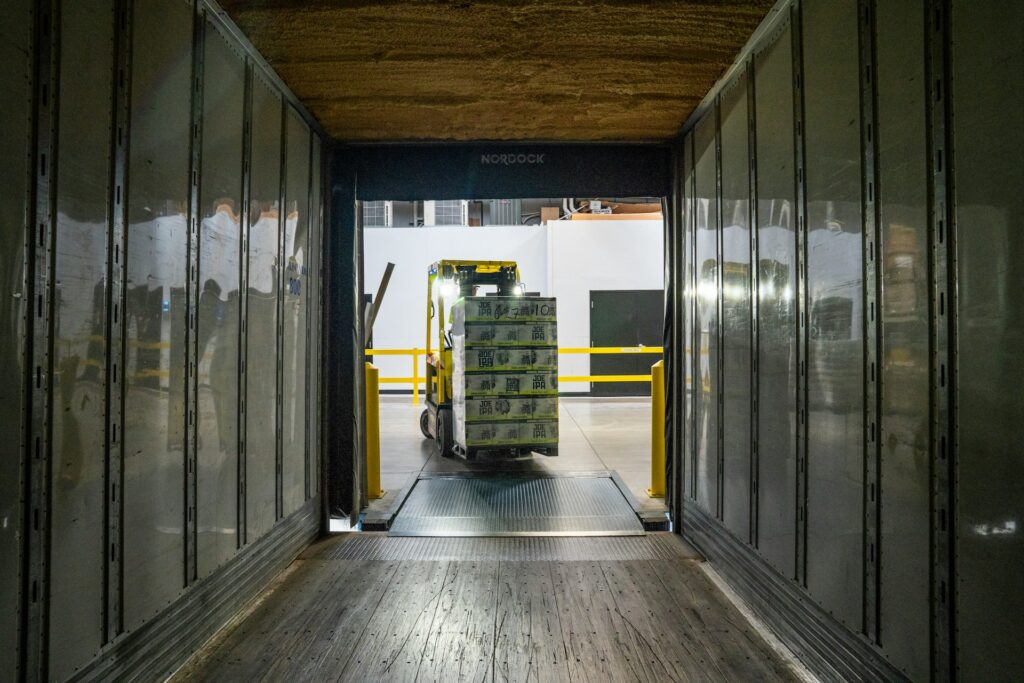
For the first time since the COVID-19 pandemic, there are more people looking for jobs than there are available jobs. Given this situation, it probably seems like it would be easy to fill open positions in most industries. Unfortunately, the skills gap in manufacturing and logistics is making it increasingly difficult for companies to fill essential roles.
What's making it so hard for companies to fill open positions? And what can you do to resolve workforce challenges?
Keep reading to learn more and find a solution that can make your business more competitive.
What’s Driving the Gap
Some of the biggest issues driving the skills gap in manufacturing and logistics include:
- An aging workforce
- Adopting new technology
- Shifting employee expectations
The Aging Workforce
The U.S. population is aging, which means the workforce is aging. As more people reach retirement age, there simply aren't enough skilled laborers to replace them. This puts employers in a bad situation where the talent pool is shrinking even as they need to hire top talent.
New Technology Challenges
Manufacturing and logistics have become extremely tech-driven sectors. A generation ago, someone with basic mechanical skills could get an entry-level job in manufacturing. That's not always true today, though, as the industry adopts sophisticated technologies based on artificial intelligence, machine learning, automation, and the internet of things (IoT).
Logistics might require even more technological expertise. Optimizing supply chains now relies on knowing how to collect and analyze large amounts of data in real time.
Shifting Employee Expectations
Employee expectations have shifted considerably over the last couple of decades. You'll still need a benefits package that includes good pay, health insurance, paid time off, and retirement savings. On top of that, though, you should address more recent concerns like flexible schedules and skills training. Well-being means a lot to many younger workers, so add options like subsidized gym memberships for physical health and an employee assistance program (EAP) for mental health.
Impact on Business Performance
If you don't attract the right employees to your business, you can likely expect serious problems like production delays, supply chain inefficiencies, and rising costs.
What impact do these problems have on your business? They vary depending on factors like your business' size and the types of products and services you offer. Generally speaking, though, you can expect your relationships and bottom line to suffer.
Production delays and inefficient supply chains can negatively affect your relationships with clients and customers. If you miss a deadline, many distributors will start looking for another manufacturing company to fill your role. If your logistics services keep creating delays, stores will quickly do the same. Plus, it's possible that missing deadlines could violate the terms of your contract. Depending on how long the delay lasts, you could literally lose money from projects you've been working on for months.
Supply chains became unstable during the COVID-19 pandemic. Five years later, poor supply chain resilience remains a major hurdle for many organizations. Currently, global instability and unpredictable tariffs cause most of the problems. The most successful logistics companies plan for these disruptions by developing local and international relationships. If high tariffs make one supplier's prices unacceptable, you can turn to other sources that help keep prices in line with expectations.
Strategies for Decision Makers
Despite the evolving nature of manufacturing and logistics, there are several important steps employers can take to reduce skills gaps in the industry.
Invest in Workforce Development and Training
Not everyone comes to the industry with the skills they need to fill challenging positions. That doesn't mean they don't have the capacity to learn those skills.
A workforce development strategy focused on skills development will help your employees advance throughout their careers. Technology will always require new skills, so you should stay one step ahead by investing in your people.
Partner With Staffing Experts
If you need employees already experienced in areas like artificial intelligence and automation, turn to staffing experts who have deep connections within your community. They can offer talent solutions for industry that will keep your company competitive.
Build More Resilient Supply Chain Pipelines
Supply chain disruptions aren't going anywhere. Plan for them by building pipelines that consider your immediate and long-term needs. Flexibility is critical to success.
The Snelling Advantage
Snelling has a national network of local offices that can offer tailored workforce solutions. If you need help filling roles in manufacturing or logistics, reach out to an office in your area.